The Story of Riga’s Bridges: From Floating Rafts to Steel Strings
The Daugava has always been both a blessing and a challenge for Riga. For centuries, the two banks of the river lived almost separate lives, as crossing the wide expanse of water required both courage and patience. In ancient times, Rigans relied on skilled ferrymen in boats, until 1701, when, by order of the Swedish King Charles XII, a daring engineering solution first stretched across the river – the Floating Bridge. These were hundreds of wooden rafts tied together, swaying in the waves. It was a temperamental bridge – dismantled in winter to protect it from the ice, while in spring, townspeople eagerly awaited its return to once again cross on foot or by horse-drawn carriage.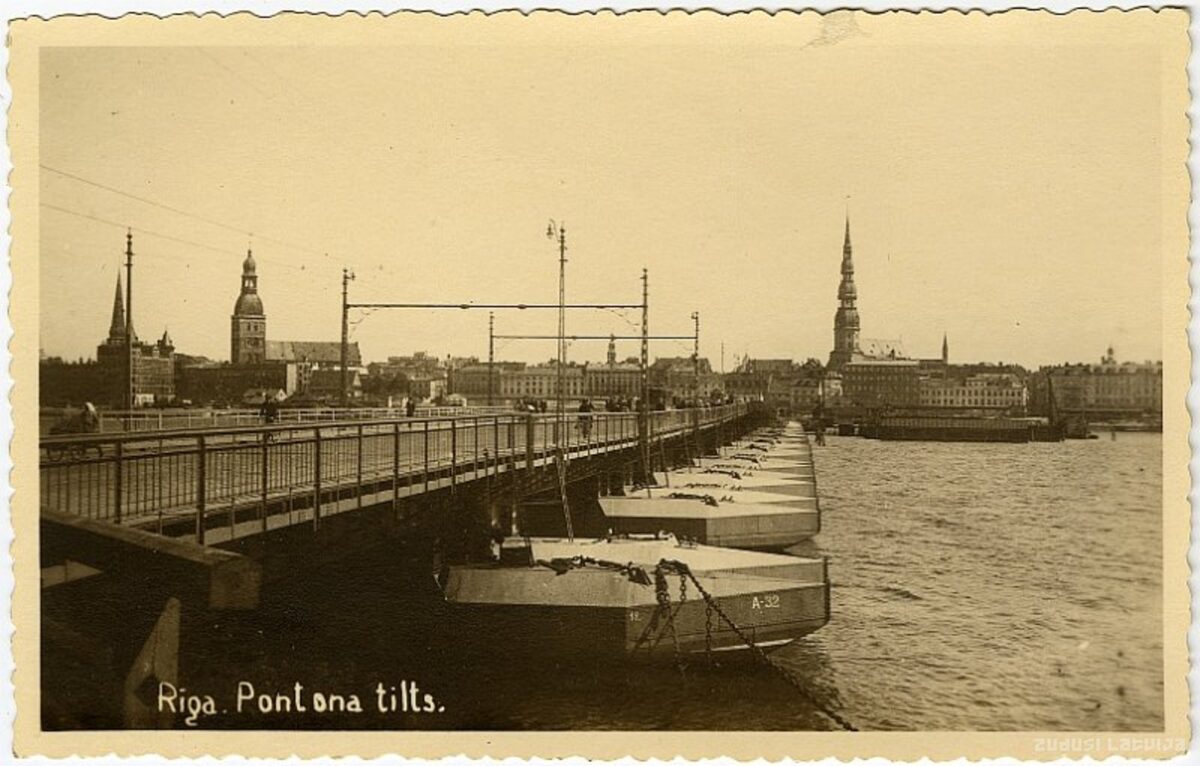
As the city grew and industrialization knocked on its doors, floating rafts were no longer enough. In the late 19th century, the first iron giant joined the Riga skyline – the Railway Bridge. It no longer swayed in the waves but stood proudly on massive stone pillars. This bridge became a symbol of Riga’s new era, connecting us to European railway networks. However, history hasn't always been kind to Riga’s bridges – both World Wars brought destruction, and iron structures and dreams vanished into the depths of the Daugava multiple times. Among them was the undeservedly forgotten Zemgale Bridge, whose pillars still loom in the water like lonely islands next to the Akmens (Stone) Bridge, reminding us of what we have lost.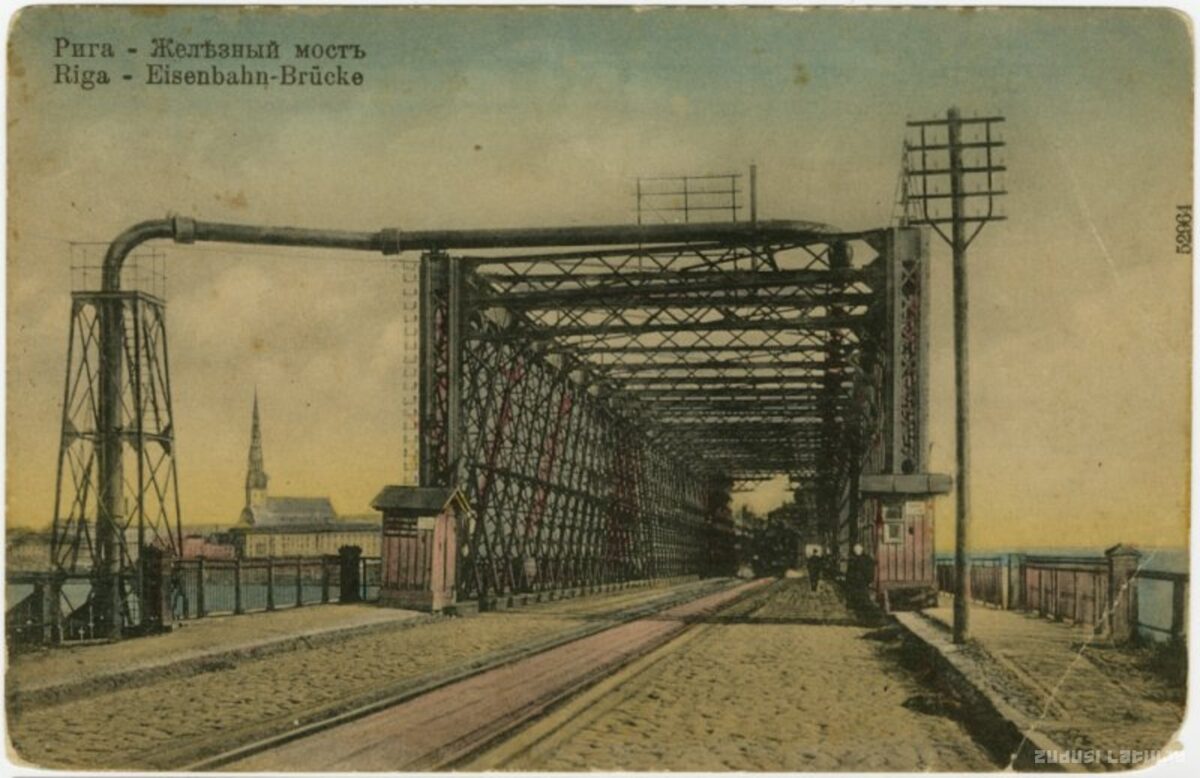
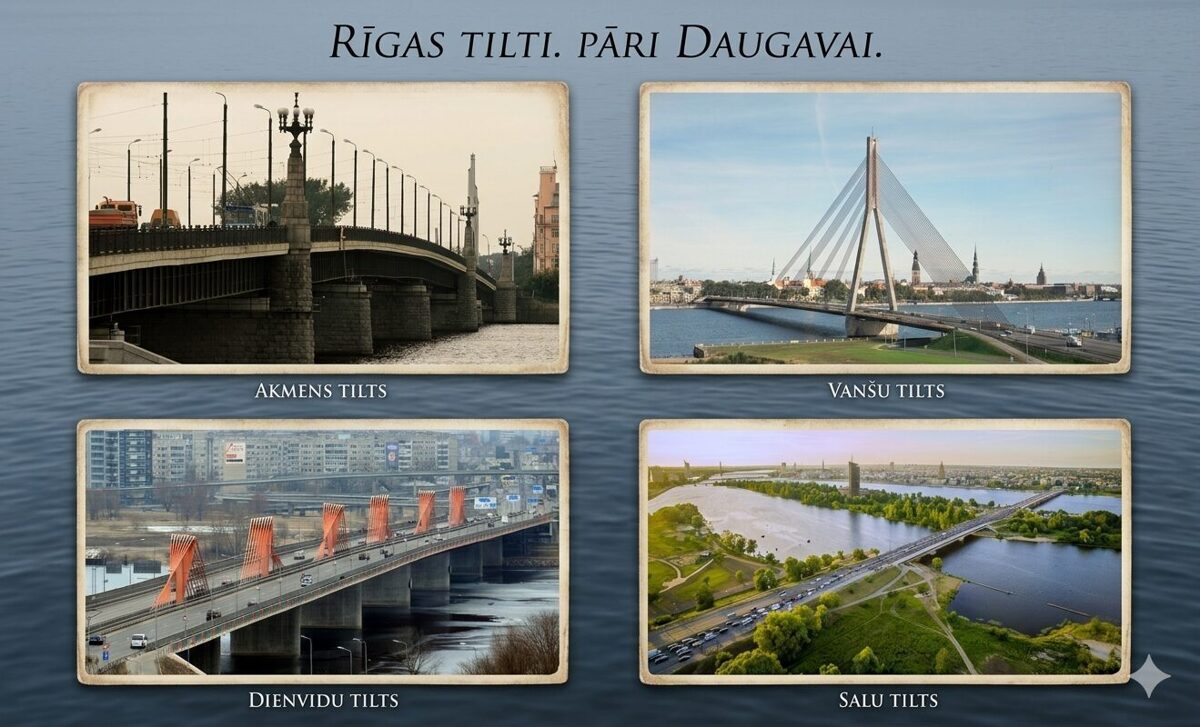
In the post-war years, Riga began to breathe in a new rhythm. The legendary Pontoon Bridge, which had served as a temporary solution for decades, was replaced in 1957 by the monumental Akmens Bridge. It became the city’s main artery, featuring wide sidewalks and trolleybus lines for the first time. But even that wasn't enough. In the 70s and 80s, engineers set new challenges – the Salu (Island) Bridge was built, connecting the city’s islands like a long ribbon, and the sleek Vanšu (Cable-stayed) Bridge, whose steel strings became the hallmark of modern Riga. At the time, it was one of the longest bridges of its kind in the world, a testament to our ambitions.
Today’s Riga is unimaginable without its bridge silhouettes. From the arches of the historic Railway Bridge, illuminated in blue tones at night, to the newest addition – the Dienvidu (Southern) Bridge, which concludes this centuries-long cycle of construction. Every bridge we have built, demolished, and restored again is part of our collective memory. They are not just engineering calculations or blocks of concrete; they are the paths that connect us, telling the story of a city that never stops and always finds a way to reach the other shore.